
Where Should You Store Your Will? A Complete Guide
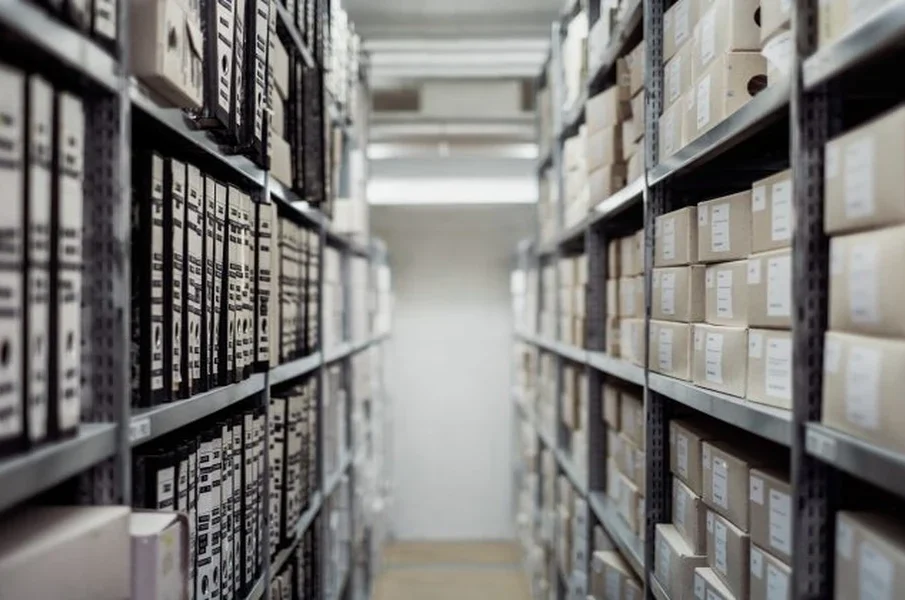
You should remember that writing a will is only one aspect of proper estate planning. It does not matter how carefully you have created the document if your family members and executor cannot find it when they need it.
A will contains important instructions regarding the way you wish your estate to be handled after your passing. Depending on your circumstances, it can include information about beneficiaries, executors, guardianship wishes and distribution of specific assets.
Therefore, after creating and properly signing everything, the next step is finding a safe and accessible place for storage. By checking here, you can learn more about planning your future with ease.
The main idea is to protect the original document against damage, loss and unauthorised changes while ensuring the right people know where to find it. Keeping your will somewhere so secret that nobody can locate it may create similar problems as not having one in the first place.
In a further article, we will talk about different places where you can store your will and things you should consider before making up your mind. Let us start from the beginning.
Store Your Will at Home
One of the most straightforward options is keeping your will inside your household. The biggest advantage is convenience because you can access the document whenever you wish to review or update it.
However, you should avoid leaving the will inside an ordinary drawer, filing cabinet or another area where it can become lost or accidentally thrown away.
Instead, you can use a fire-resistant and waterproof safe, which will offer you additional protection against potential household emergencies.
You should remember that accessibility is essential. If you are the only person who knows the safe combination or where the key is located, your executor may have problems accessing the will after your death.
Therefore, someone you trust should know where the original is stored and how it can be accessed when necessary.
Professional Will Storage
Another option is using professional will storage services. Depending on where you live, legal professionals, will writing services or dedicated document storage providers may offer secure storage for original wills.
The main advantage is that your document will remain in a controlled environment where the chances of accidental loss or damage are considerably lower.
At the same time, you should understand the process for retrieving the will afterward. Find out who can access it, what identification or documentation they will need and whether storage comes with specific fees.
You can rest assured because professional storage can provide additional protection, but your executor and family members should still know where the document is located. Visit this site: https://www.thegazette.co.uk/all-notices/content/103433 to understand the changes regarding wills and trusts.
Store It With Your Solicitor or Attorney
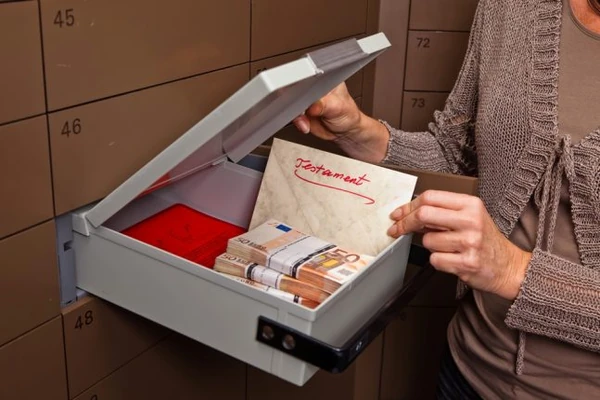
If a solicitor or attorney helped you prepare your estate planning documents, they may offer to store the original will.
This particular option can be convenient because the professional who prepared the document may already have relevant information regarding your estate planning situation.
However, you should still keep records regarding the professional or firm holding your will. Law firms can merge, relocate or change ownership as time goes by, meaning your family should have enough information to locate the document afterward.
You may decide to keep a copy at home with information stating where the signed original is stored.
Should Your Executor Keep the Will?
Since the executor will eventually need the document, you may consider allowing them to keep the original.
This can be convenient when the executor is someone you completely trust and who has a safe place to store important documents.
However, circumstances and relationships can change after a while. Your chosen executor may move to another location, lose important paperwork or become unable to perform the role.
Therefore, some people prefer keeping the original through professional storage while informing the executor where they can obtain it.
The main idea is to balance security with accessibility, which is vital to remember.
Avoid Hiding Your Will
We can all agree that a will is an important and private document. Still, privacy does not mean you should hide it somewhere nobody knows about.
People sometimes use unusual locations because they believe it will keep valuable documents safe. The problem is that after their death, family members may clean the household without realising an important document is hidden among ordinary belongings.
If the original will cannot be found, dealing with the estate may become more complicated.
You do not necessarily need to tell every family member about the contents of your will. However, your executor or another trusted person should know that the document exists and where you decided to store it.
Be Careful With Safe Deposit Boxes
A bank safe deposit box may seem like the perfect place for important documents because it offers additional physical security.
However, accessibility can become problematic depending on local rules and the arrangement with the bank. After your death, your family or executor may need specific authorisation before they can access the box.
That can create an inconvenient situation where the document needed for estate administration is inside a location that is difficult to access.
Before choosing this option, you should understand the bank’s access requirements and applicable rules for your specific needs.
Keep Copies of Your Will
You may decide to create copies of your will for reference purposes. For instance, you can keep a copy at home while the original remains with a professional storage provider.
A copy can help family members understand that a valid will exists and determine where the original is located.
However, you should clearly understand the difference between an original signed will and a copy. Depending on jurisdiction, the original document can become especially important during estate administration.
The best course of action is to ensure the original remains protected while relevant people know how to locate it.
What About Digital Storage?
We live in a digital world, meaning you may decide to scan your will and keep an electronic copy on your computer, cloud storage or another platform.
Digital copies can be useful for records and accessibility. However, you should not automatically assume that a scanned copy can replace the properly executed original document. We recommend you read more here, which will help you understand a few things about the process.
Legal requirements regarding electronic wills and digital documents can vary considerably based on jurisdiction.
Therefore, digital storage should generally be considered as an additional record unless you have confirmed that your estate planning arrangement meets relevant legal requirements.


